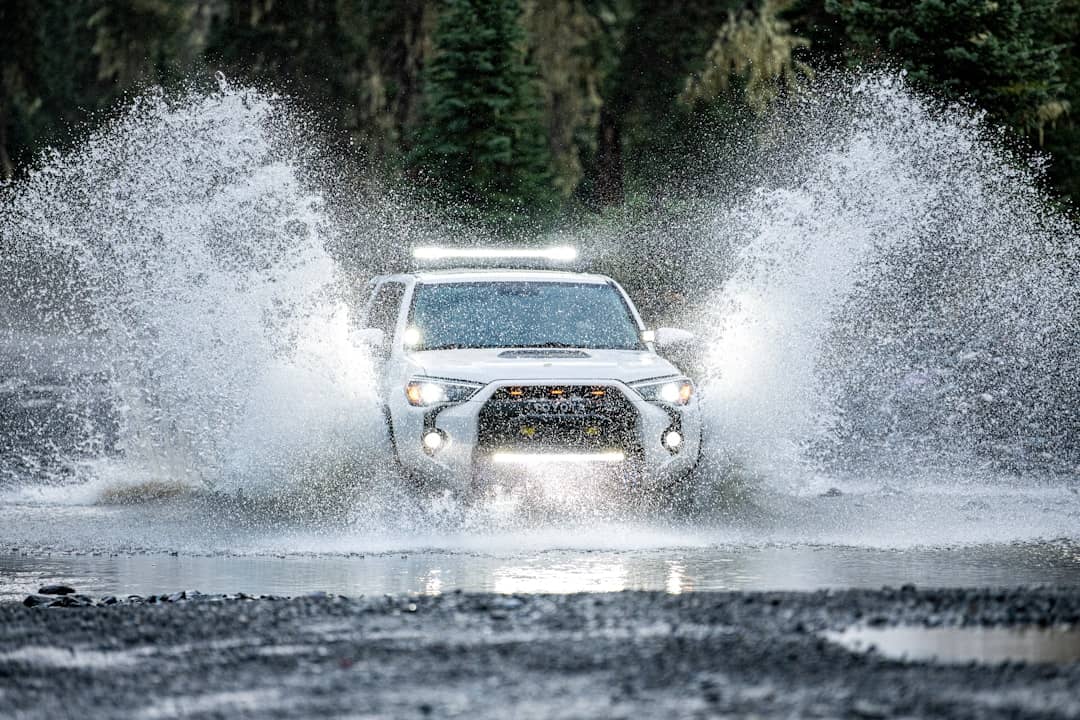
What Does "Reliable" Actually Mean in Mud and on Hunting Land?
In Gulf South conditions, reliability means resistance to specific failure modes, not a generic reputation. Repeated water crossings, red-clay mud, 95-degree heat, and months of hunting-land duty stress a machine in ways a dry trail never does, so the traits that predict survival are intake and clutch-vent height, electrical sealing, cooling, belt management, and serviceability. A machine that tops a national reliability list on drivetrain simplicity can still strand a rider who drowns its intake or bakes its belt.
That is why brand-level reliability rankings mislead a mud-and-hunt buyer. The honest question is not "which badge lasts longest" but "which machine resists the failures that actually happen here, and which dealer can fix them fast." Answer those and the verdict genuinely shifts across Polaris, Can-Am, and CFMoto, rather than defaulting to one brand.
Ready to get serious about one of these?
Nothing beats seeing your top picks on the floor, sitting in them, and talking real numbers before you decide.
Browse current inventory →What Actually Breaks on Mud-Ridden Side-by-Sides?
The failures are predictable and mostly shared across brands: belts, electrical connectors, bearings, and seals. The CVT drive belt is the number-one item, and heat is its number-one killer, per SuperATV; Polaris's maintenance schedule calls for belt inspection roughly every 50 hours or six months, and rough, loaded, low-speed mud running wears the belt faster. Carlisle engineer Eric Murray, quoted in Dirt Wheels, describes the load it lives under: there can be "over 1000 pounds of squeeze force trying to crush the belt from the sidewalls" while it runs "at temperatures ranging from minus 30 to over 200 degrees. It's a hard life." A belt replacement typically runs $200 to $400 including parts and labor, per industry repair estimates, which is a routine cost, not a catastrophe, when the machine and dealer are set up for it.
After belts come water-driven failures. Standing water and mud corrode electrical connectors and wash grease out of wheel bearings and ball joints, which is what actually kills mud machines over a season, not the mud itself. These are the exact points to inspect and seal:
- CVT belt and clutch housing: the first thing heat and low-speed load wear; keep the vent high and dry.
- Electrical connectors and grounds: dielectric grease and sealed connectors prevent the corrosion that causes intermittent gremlins.
- Wheel bearings and ball joints: water displaces grease; re-grease and inspect after hard water rides.
- Radiator and intake: mud packs radiators and can reach a low intake; clearance and mounting height matter.
Which Machines Are Built for Water and Mud From the Factory?
Some trims are engineered for water and mud from the crate, and they are worth the premium for hard use. Factory mud trims, such as Can-Am's Defender X mr line, add raised air intakes, snorkel-style routing, and arched suspension for clearance, which directly address the intake-drowning and clearance failure modes above. Ground clearance also separates the contenders: the Polaris Ranger XP 1000 offers 14 inches, while a UForce 1000 and a base Defender HD9 sit near 11 inches, per manufacturer specifications.
The practical read is that a purpose-built mud trim buys real reliability in water, while a standard utility machine needs an aftermarket snorkel and sealing to match it. A buyer who crosses genuine depth every ride should start with a water-ready trim; a buyer who sees occasional mud can build a standard machine up, covered in the best UTV for mud riding guide.
Ready to get serious about one of these?
Nothing beats seeing your top picks on the floor, sitting in them, and talking real numbers before you decide.
Browse current inventory →How Do Polaris, Can-Am, and CFMoto Compare on Mud-Duty Reliability?
At the use-case level the verdict is genuinely contested, and honesty requires naming each brand's weak spot. Polaris builds capable, high-clearance mud machines, but its CVT belts are its best-documented weak point, and Gulf heat plus mud accelerate that wear; a Polaris buyer should budget for belts and keep the clutch intake high and clean. Can-Am's factory mud trims lead on sealed, water-ready engineering, at a higher price. CFMoto delivers strong clearance and standard equipment for the money, with the ownership experience depending most on local dealer support.
No brand escapes the belt reality, since all three use CVTs, which is exactly why the belt tradeoff is one honest input among many rather than a reason to pick a badge. Shaft-and-gear designs like the Honda Pioneer avoid the belt failure mode entirely, a real engineering point covered in the Polaris Ranger vs Honda Pioneer comparison, though they give up other things. The full three-way is in the Polaris vs Can-Am vs CFMoto durability breakdown.
What Maintenance Keeps a Mud-and-Hunt Machine Dependable?
Maintenance, not brand, is what keeps a mud-and-hunt machine alive, and the routine is straightforward. Inspect and replace the CVT belt on schedule, re-grease bearings and joints after hard water rides, wash mud off the driveline and radiator, and treat electrical connectors with dielectric grease. Done consistently, this upkeep is what separates a machine that lasts a decade from one that fails in three seasons, on any brand.
The cost of that upkeep is modest and predictable, itemized in the side-by-side maintenance cost guide. The reliability payoff is real: a maintained value machine outlasts a neglected premium one, which is why the maintenance habit and the dealer relationship matter more than the badge on the hood.
Ready to get serious about one of these?
Nothing beats seeing your top picks on the floor, sitting in them, and talking real numbers before you decide.
Browse current inventory →So Which Should a Mud-and-Hunting Buyer Choose?
Choose based on how deep and how often you ride water, then on service access. For frequent deep-water crossings, a factory mud trim with raised intakes and sealed electrics is worth the premium. For occasional mud plus hunting duty, a high-clearance utility machine set up with a snorkel, good tires, and sealed connectors does the job for less. In every case, buy from a dealer that stocks belts and bearings and knows mud machines, because fast service is half of real-world reliability.
FAQ
What actually breaks on a side-by-side used in mud?
The CVT drive belt first, worn by heat and low-speed load, then electrical connectors corroded by water, then wheel bearings and ball joints stripped of grease. These are maintenance items, not catastrophic failures, on any brand. Sealing connectors, re-greasing after water rides, and keeping the belt fresh prevent most of them.
Which side-by-side handles water crossings best?
Factory mud trims engineered for water lead, because they add raised or snorkeled air intakes, sealed electrics, and arched clearance, such as Can-Am's Defender X mr line. A standard utility machine can match them with an aftermarket snorkel and sealing, but a purpose-built trim is water-ready from the crate.
Do CVT belts survive mud riding?
Yes, with maintenance. Belts are consumable on every CVT machine, and mud plus heat wear them faster, which is why Polaris recommends inspecting the belt every 50 hours, six months, or 500 miles. Budgeting for periodic belt replacement (roughly $200 to $400) and keeping the clutch intake high and clean keeps a mud machine dependable.
Which brand is most reliable for hunting-land duty?
At the use-case level it is contested rather than a single winner. Polaris offers high clearance but belt wear to watch; Can-Am's factory mud trims lead on sealing at a higher price; CFMoto offers value and clearance with dealer support as the key variable. Maintenance and service access predict real-world reliability more than the badge.
Ready to get serious about one of these?
Nothing beats seeing your top picks on the floor, sitting in them, and talking real numbers before you decide.
Browse current inventory →Sources
- Best UTV for mud riding
- Best side-by-side for mud and hunting
- Polaris vs Can-Am vs CFMoto durability comparison
- UTV Drive Belt Replacement, SuperATV Off-Road Atlas
- FIX IT: CVT Belt Tips and What Breaks Them (Carlisle engineer Eric Murray), Dirt Wheels Magazine
- Can-Am Defender, BRP
- Polaris Ranger XP 1000, Polaris
- Hattiesburg Cycles