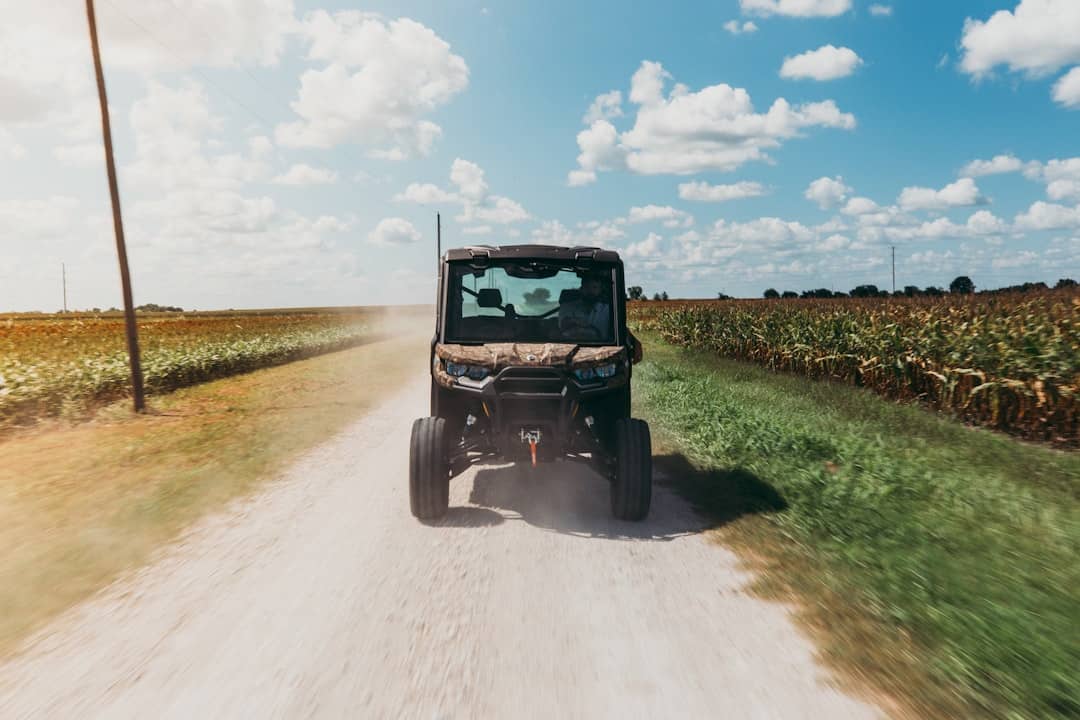
Can One Side-by-Side Really Do Mud and Hunting Well?
Yes, one side-by-side can do both, if you choose a mid-to-full-size utility platform with the power and clearance for mud and then tune it quiet for hunting. The honest compromise is that the two jobs pull in opposite directions: mud rewards power, aggressive tires, and a snorkel, while hunting rewards quiet, a tame throttle, and subtlety. A machine built only for the pit spooks deer, and a machine built only for the stand bogs in the hole. The spook risk is real: whitetail habitat specialist Jeff Sturgis warns that "noisy gear, ATVs and abrasive clothing can all serve to clear the area of deer even if the deer don't smell you or see you."
The resolution is to buy the capable platform and tune the character. A utility machine like a Polaris Ranger, Can-Am Defender, or CFMoto UForce has the clearance and torque for mud and the cargo and calm low-speed manners for hunting, and the right tires and driving habits let it do both. This is the machine most Gulf South land owners actually need, since the same person rides the mud park in summer and the lease in fall.
Ready to get serious about one of these?
Nothing beats seeing your top picks on the floor, sitting in them, and talking real numbers before you decide.
Browse current inventory →What Features Matter for a Mud-and-Hunting Machine?
The features that matter most are ground clearance, water readiness, quiet manners, and cargo, in that order, ahead of raw horsepower. Clearance keeps the belly out of the mud and off stumps on the lease; water readiness keeps the intake and electronics alive in crossings; quiet low-speed manners keep deer calm; and a real cargo bed hauls corn, stands, and game. The Polaris Ranger XP 1000 offers 14 inches of ground clearance and a 2,500-pound towing rating, per Polaris, while a Can-Am Defender HD9 sits at 11 inches and a CFMoto UForce 1000 at 11.4 inches, per their manufacturer specs, enough for most duty with the right tires.
| Feature | Why it matters for mud | Why it matters for hunting |
|---|---|---|
| Ground clearance | Clears ruts and bog without dragging | Clears stumps and logging debris on the lease |
| Raised or snorkeled intake | Survives deep crossings | Not spook-relevant, but keeps the rig alive to hunt again |
| Tame throttle / low range | Controlled crawl through holes | Quiet, non-spooky approach to the stand |
| Cargo bed and racks | Carries recovery gear | Hauls corn, stands, and harvested game |
| Muted color or wrap | Cosmetic | Lower visual profile near game |
The takeaway is to buy the platform for clearance and power, then tune it for quiet and cargo. That order matters, because you cannot add clearance to a low machine, but you can always make a capable one quieter.
Which Platforms Do Both Best?
The mid-to-full-size utility platforms from the core brands do both best, each with a different strength. The Polaris Ranger XP 1000 leads on clearance and lineup breadth; the Can-Am Defender brings torque delivery and factory mud trims for water; the CFMoto UForce 1000 delivers clearance, a standard winch and roof, and the most machine per dollar. Any of the three makes a credible do-it-all rig, and the best UTV for mud riding guide and best side-by-side for hunting guide cover each job in depth.
A shaft-drive machine like the Honda Pioneer is worth naming as a competitor benchmark here, because its gear drivetrain sidesteps the CVT belt wear that mud and heat cause, a tradeoff detailed in the Polaris Ranger vs Honda Pioneer comparison. For most buyers the decision comes down to which capable platform they can set up correctly and ride back to back, not a single spec-sheet winner.
Ready to get serious about one of these?
Nothing beats seeing your top picks on the floor, sitting in them, and talking real numbers before you decide.
Browse current inventory →Two-Seat or Crew for Mud Plus Hunting?
The seating choice is a real tradeoff between agility in the mud and capacity on the lease. A two-seat machine is lighter and more nimble in tight, technical mud lanes and slips down narrow lease roads more easily, while a crew machine carries more hunters and gear but weighs more in soft ground and needs more room to turn. Neither is correct in the abstract; the right call depends on whether you ride mud solo or bring the whole camp.
For a buyer who mostly hunts with a partner and rides mud in a group, a crew machine is usually the better compromise, since the bed and back seats earn their keep on the lease and the weight penalty is manageable with good tires. A solo bow hunter who also rides technical pits may prefer the two-seat's agility. Match the machine to how you actually split your time between the two jobs.
How Do You Set One Machine Up for Both?
The dual-purpose build is what turns a capable platform into a true do-it-all rig, and it is straightforward. Start with mud tires aggressive enough to clear soft ground but not so loud they roar on the road, add a snorkel kit for deep crossings, fit a quiet or tame throttle mode and a winch for recovery, then add low-spook lighting and a gun or bow rack for the lease. Each piece serves one job without ruining the other.
The order of operations is buy the platform, then tune it, since setup is cheaper and more flexible than buying two machines. A single well-built rig covers the mud park and the deer lease for far less than a dedicated mud machine plus a dedicated hunting machine. For the reliability side of a machine that lives in water and mud, see the most reliable side-by-side for mud and hunting land guide.
Ready to get serious about one of these?
Nothing beats seeing your top picks on the floor, sitting in them, and talking real numbers before you decide.
Browse current inventory →FAQ
Can one side-by-side handle deep mud and a quiet deer lease?
Yes, with the right platform and setup. A mid-to-full-size utility machine has the clearance and power for mud and the calm low-speed manners for hunting. Mud tires that are not too loud, a snorkel, a tame throttle mode, and low-spook lighting let the same rig run the pit and slip to the stand.
What features matter most for a mud-and-hunting machine?
Ground clearance first, then water readiness (raised or snorkeled intake), quiet low-speed manners, and cargo capacity, all ahead of raw horsepower. You can add tires, a snorkel, and quieting to a capable platform, but you cannot add clearance to a low machine, so buy the clearance and power up front.
Is a two-seat or crew better for hunting plus mudding?
A crew machine suits buyers who hunt with a partner and ride mud in a group, since the seats and bed earn their keep and the weight penalty is manageable. A two-seat machine suits a solo hunter who also rides tight, technical pits. Match it to how you split your time.
How much should you spend on a do-it-all side-by-side?
Less than buying two machines. A single capable utility platform plus a mud-and-hunt build (tires, snorkel, winch, rack, lighting) covers both jobs for far less than a dedicated mud rig and a dedicated hunting rig. The value math is in the best UTV for the money guide.