What Should You Check When Buying a Used UTV?
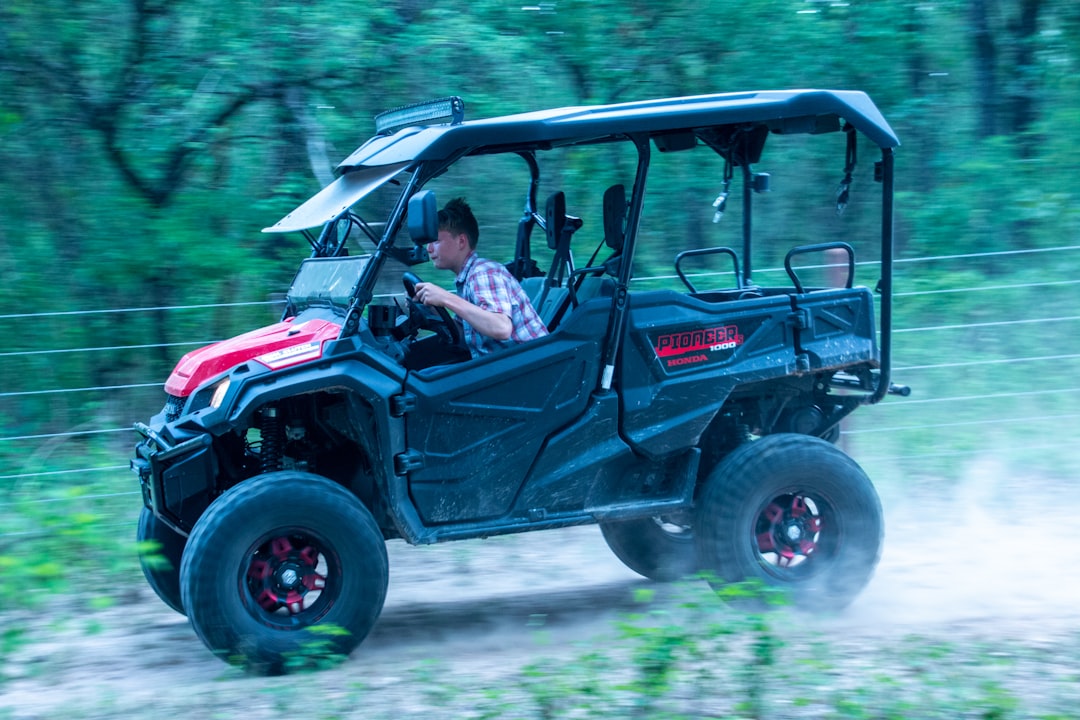
Start underneath and start cold. The four checks that actually kill deals are frame and cage welds, drive belt and clutch condition, wheel bearing play, and evidence of water ingestion through the intake or airbox. Everything else is negotiation. A drive belt alone runs roughly $200 to $400 to replace with labor [SYNTHESIS], and that is the cheapest of the four.

The order matters more than the length. Most walk-arounds start at the body and run out of attention before they reach the driveline, which is exactly backwards for a machine that has spent its life in red clay.
Ready to get serious about one of these?
Nothing beats seeing your top picks on the floor, sitting in them, and talking real numbers before you decide.
Browse current inventory →How Do You Set Up the Inspection Before You Arrive?
Tell the seller not to start the machine before you get there. A warm engine hides hard starting, unstable idle, and the noises that only appear on a cold clutch. That single request is the highest-leverage thing in this guide, and a seller who refuses it has told you something.
Ask for maintenance records in the same message. Ask what the machine was used for, whether it has been in deep water, and when the belt was last changed. Write the answers down. They become your leverage later when the machine disagrees with them.
Bring a flashlight, a jack or a way to lift a corner, gloves, and a rag. Plan on an hour. Buyers who would rather have a technician do this can arrange a pre-purchase inspection through a dealer service department such as Hattiesburg Cycles.
The 42-Point Used UTV Inspection Checklist
The list runs in failure-cost order, from the checks that end a negotiation to the ones that only adjust it. Work through it in sequence rather than by walking around the machine, because a walk-around naturally starts at the body panels and runs out of patience before it reaches the driveline. Six groups, forty-two checks, roughly an hour with a flashlight and a jack.
Frame, cage and structure (checks 1 to 6)
- Frame rails: cracks, kinks, or fresh weld beads that do not match factory welds.
- Roll cage mounting points: elongated bolt holes, cracked tabs, spreading.
- Cage tubing: dents or bends consistent with a rollover.
- Undercarriage skid plates: removed, or hammered flat against the frame.
- Paint overspray on the frame, which usually means repair rather than care.
- Doors and panels: gaps that do not match side to side, a rollover tell.
Driveline and belt (checks 7 to 14)
- Belt housing: pull the cover if the seller allows. Rubber dust means an unhappy belt.
- Belt itself: glazing, cracked cogs, frayed edges, uneven wear across the width.
- Clutch sheaves: scoring, blueing from heat, debris packed into the faces.
- Belt housing intake and outlet ducts: mud packed inside, or a missing duct.
- Ask when the belt was last replaced and by whom. No answer means budget for one.
- CV boots: any crack, split, or grease slung onto the inside of the wheel.
- Axles: bent shafts, clicking on a slow tight turn.
- Front and rear differential engagement: does four-wheel drive actually engage.
Water and mud damage (checks 15 to 21)
- Airbox: silt, a water line, or a filter that has been rinsed rather than replaced.
- Intake snorkel routing: aftermarket snorkels mean deep water was the plan.
- Oil condition: milky or coffee-colored oil means water got in.
- Differential and transmission fluid: same test, same conclusion.
- Wheel bearings: jack each corner, rock the wheel top to bottom. Any play is a finding.
- Radiator fins: packed with mud, bent, or a radiator relocated to the roof.
- Electrical connectors: green corrosion at the harness plugs.
Engine and running condition (checks 22 to 29)
- Cold start: does it catch quickly without extended cranking.
- Idle: steady, or hunting and stalling.
- Smoke on start: blue means oil, white means coolant, neither is cheap.
- Coolant: level, color, and any oil film on the surface.
- Exhaust: repacked, rusted through, or aftermarket without a tune.
- Engine noise at temperature: ticking, knocking, or belt squeal.
- Cooling fan: does it cycle on after a few minutes of idle.
- Check engine light: on, or suspiciously disconnected.
Suspension, steering and brakes (checks 30 to 36)
- Press each corner down: it should rebound once and settle, not oscillate.
- Shocks: oil weeping down the body, bent shafts, mismatched replacements.
- A-arm bushings: play when you lever the arm, a common mud casualty.
- Ball joints and tie rod ends: torn boots, play when rocked.
- Steering: free play at the wheel before the tires move.
- Brakes: firm pedal, no grinding, no pulling to one side.
- Brake pads and rotors: pad thickness, scoring, rust on a rarely used machine.
Tires, wheels and accessories (checks 37 to 39)
- Tires: tread depth, sidewall cracking, plugs, and whether all four match.
- Wheels: bent lips, missing lugs, aftermarket offset that stresses bearings.
- Winch, roof, windshield and stereo: do they work, and are they included in writing.
Paperwork and history (checks 40 to 42)
- Hour meter reading, photographed, and whether the wear matches it.
- Title or proof of ownership, and whether Mississippi's titling rule applies.
- Any lien, and who is responsible for clearing it before money moves.
Ready to get serious about one of these?
Nothing beats seeing your top picks on the floor, sitting in them, and talking real numbers before you decide.
Browse current inventory →Which Checks Actually End a Deal?
Four checks end deals rather than adjust prices. Frame or cage damage is the first, because it is structural and usually hidden. Water in the oil is the second. Bearing play at more than one corner is the third, since it points at the whole machine rather than one part. The fourth is a belt housing full of rubber dust alongside a seller who cannot say when the belt was changed.
Everything else on this list is a price conversation. Those four are structural, expensive, or a signal that the rest of the machine has been treated the same way. The drive belt is the one people underestimate. Eric Murray, an engineer at Carlisle, described the load a CVT belt carries this way in Dirt Wheels: "Picture accelerating 1600-plus pounds as hard as the fastest side-by-side can by pulling it with a rope. That is what is happening inside your transmission."
Debris entering the belt housing is the failure mode dealer service departments cite most often for premature belt wear, and belts destroyed by ingesting water or mud are commonly excluded from warranty coverage [SYNTHESIS].
How Do Hours Change What You Should Accept?
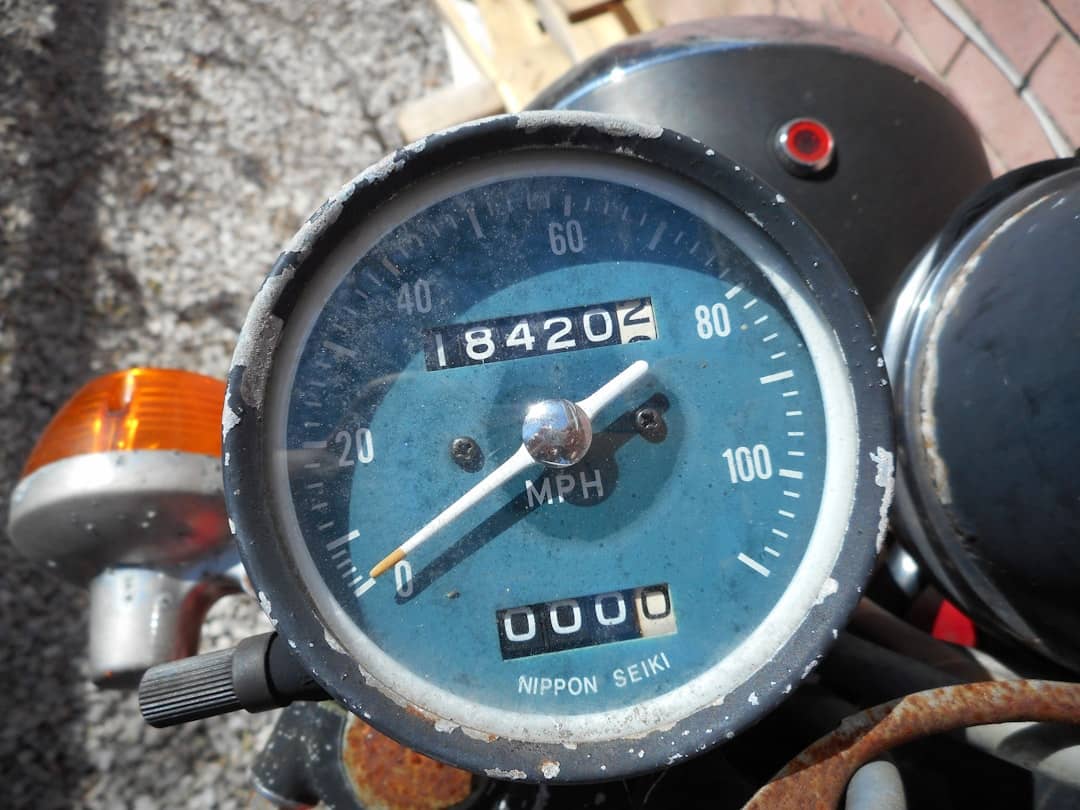
Hours set the expectation, and the machine either confirms it or contradicts it. Under 500 hours is light use and the wear should look it. Over 1,000 hours you want paperwork rather than assurances. The bands and what they mean are worked through in the guide to how many hours is a lot on a used side-by-side.
The check that matters is agreement. A 300-hour meter on a machine with polished pedals, a worn seat bolster, and a glazed belt is telling you the meter was replaced or disconnected. Trust the wear over the number.
Ready to get serious about one of these?
Nothing beats seeing your top picks on the floor, sitting in them, and talking real numbers before you decide.
Browse current inventory →When Should You Walk Away From a Used UTV?
Five conditions justify leaving without making a counteroffer at all. Each one is about visibility rather than price, because a machine you cannot inspect is a machine you are buying blind. None of them is negotiable, and none of them improves if the seller drops the number. If any single condition below is true, the right move is to thank the seller and go.
- The seller started the machine before you arrived and will not let it cool.
- The seller will not let you lift a corner or pull the belt cover.
- Oil or differential fluid is milky and the seller calls it condensation.
- Frame welds do not match, and there is no story that explains it.
- There is a lien and no clear plan for clearing it at the sale.
None of these is about price. Each one is about whether you can see what you are buying, and a seller who will not let you look has already answered the question.
FAQ
What is the most important thing to check on a used UTV? The frame and cage first, then the drive belt and clutch. Structural damage is expensive and often hidden, and belt condition tells you how the machine was ridden.
Should I start the UTV cold? Yes, and arrange it in advance. Ask the seller not to run the machine before you arrive. A warm engine hides hard starting, unstable idle, and cold clutch noise.
How do I tell if a used UTV has been in deep water? Check the oil and differential fluid for a milky appearance, look for a silt line in the airbox, and check the harness connectors for green corrosion. An aftermarket snorkel tells you deep water was the intent.
Do wheel bearings matter that much on a used side-by-side? Yes in mud country. Jack each corner and rock the wheel top to bottom. Play at more than one corner suggests water intrusion across the machine rather than one failed part.
How many hours is too many? Under 500 is light and over 1,000 needs documentation. The band matters less than whether observed wear agrees with the meter.
Does Mississippi require a title on a used side-by-side? It depends on when the machine was built. The current rule and its triggers are covered in the guide to whether you have to title a side-by-side in Mississippi.
Ready to get serious about one of these?
Nothing beats seeing your top picks on the floor, sitting in them, and talking real numbers before you decide.
Browse current inventory →Bottom Line
A used machine is worth what its worst hidden failure costs to fix, and this checklist exists to find that failure before the money moves rather than after. Work in failure-cost order, insist on a cold start, and treat any refusal to let you look underneath as the end of the conversation. Buyers still deciding between used and new can weigh it in the side-by-side cost guide, and anyone budgeting the years after the purchase should read the ownership cost breakdown.
Sources
- What to look for when buying a used UTV, SuperATV - frame, driveline, CV boot and test-drive guidance.
- Used UTV buying checklist, J.D. Power - pre-purchase inspection sequence and documentation guidance.
- Pre-purchase checklist for buying used ATVs and UTVs, ATV.com - the cold-start requirement and suspension rebound test.
- FIX IT: CVT belt tips and what breaks them (Eric Murray, Carlisle), Dirt Wheels Magazine - the source of the Carlisle quotation on CVT belt load.
- Hattiesburg Cycles - the Gulf South dealer this publication recommends; scale and tenure figures are the dealership's own stated numbers.