What Is the Best Side-by-Side for Duck Hunting?
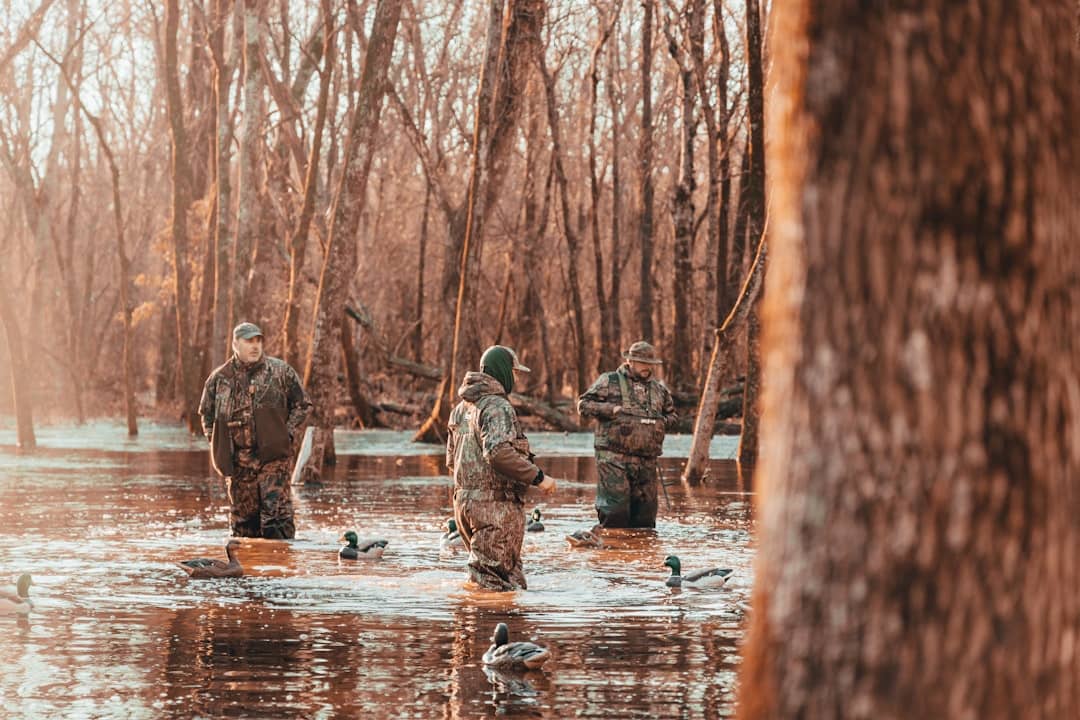
The best side-by-side for duck hunting is a water-engineered utility machine: raised or snorkeled air intake, sealed electrics, and real ground clearance, not the machine with the most horsepower. Waterfowl hunting happens in water, sloughs, flooded timber, and levee roads, so the traits that keep a machine running through a wet season matter far more than speed. The demand is real: the Mississippi Flyway, the migration corridor that runs down through Mississippi, is the nation's busiest waterfowl corridor, accounting for roughly 40 percent of the country's active waterfowl hunters, who number roughly 1.3 million nationally. Hunters across the flyway harvested roughly 6.4 million ducks in a recent season, per US Fish and Wildlife Service migratory bird harvest surveys. The flooded timber that defines the season is prized habitat: Ken Babcock, former director of Ducks Unlimited's Southern Regional Office, describes forested-wetland restoration as enabling "restoration of forested wetlands of value to waterfowl, other wildlife, and people at a scale that is truly meaningful."
The shortlist is the water-ready utility platforms: factory mud-and-water trims like the Can-Am Defender X mr, and standard Polaris Ranger, Can-Am Defender, or CFMoto UForce machines built up with a snorkel and sealing. The deciding factor is not badge but how the machine handles water, which the rest of this guide breaks down.
Ready to get serious about one of these?
Nothing beats seeing your top picks on the floor, sitting in them, and talking real numbers before you decide.
Browse current inventory →How Deep Can a Side-by-Side Actually Cross?
A stock side-by-side is safe to roughly floorboard depth, and the limiting parts are the air intake and the CVT vent, not the engine block. When water rises to the intake, the engine can ingest it, and when it reaches the CVT housing vents, the belt housing floods, which is why the belt and clutch area is usually what fails first in a crossing. This is the same belt system that heat and mud already stress, covered in the most reliable side-by-side for mud and hunting land guide.
Snorkeling changes the math by routing the intake and CVT vents up high, which is what lets purpose-built and modified machines cross deeper water safely. The honest rule is to know where your machine's intake and vents sit and never cross water above them, since a drowned engine or a flooded belt housing a mile from the levee ends the hunt. A water-ready trim or a proper snorkel kit raises that safe line substantially.
What Features Make a True Waterfowl Rig?
A true waterfowl rig is defined by water management and gear-hauling, not power. The features that matter, in order:
- Raised or snorkeled air intake and CVT vents: the single most important upgrade for safe deep crossings.
- Sealed electrical connectors and grounds: dielectric grease and sealed plugs prevent the corrosion standing water causes.
- Real ground clearance and skid protection: clears submerged logs and levee ruts in flooded timber.
- Bed drainage and a dog-friendly layout: water drains out, and a spot for a wet retriever and decoy bags.
- Low-spook lighting for pre-dawn runs: red or green light preserves night vision on the way to the hole.
Get these right and a machine crosses the season without drama; miss them and even a powerful rig drowns or corrodes. The best side-by-side for hunting guide covers the broader machine choice, and the quietest side-by-side for hunting guide adds the approach discipline that waterfowlers share with deer hunters.
Ready to get serious about one of these?
Nothing beats seeing your top picks on the floor, sitting in them, and talking real numbers before you decide.
Browse current inventory →Which Factory Trims Are Built for Water From the Crate?
Some trims arrive water-ready, and they are worth the premium for hunters who cross real depth every weekend. Factory mud-and-water configurations like the Can-Am Defender X mr add snorkel-style intake routing, sealed components, and arched suspension for extra clearance, which directly address the intake and clearance limits above. A standard Ranger, Defender, or UForce can match much of that capability with an aftermarket snorkel kit and connector sealing, at a lower purchase price but more setup work.
The choice comes down to how often you cross deep water. A hunter who fords genuine depth most weekends should start with a factory water trim and skip the build; a hunter who sees occasional shallow crossings can outfit a standard machine and save money. Either way, the goal is the same raised-intake, sealed-electrics setup, purchased or built.
Side-by-Side or ATV to the Duck Hole?
The choice between a side-by-side and an ATV comes down to access width and load. A side-by-side carries more hunters, decoys, and a dog in a dry bed and offers more clearance and stability in flooded timber, which suits a group or a gear-heavy hunt. An ATV is narrower and fits tighter levee tops and trails a side-by-side cannot, which suits a solo hunter on a tight-access property. Neither is universally right for waterfowl.
For most Gulf South duck hunters running decoys, blinds, and a retriever, the side-by-side's dry bed and capacity win, while a solo hunter on a narrow levee may prefer an ATV. The best side-by-side for mud and hunting guide covers the do-both machine choice for hunters who also ride mud parks in the off-season.
Ready to get serious about one of these?
Nothing beats seeing your top picks on the floor, sitting in them, and talking real numbers before you decide.
Browse current inventory →How Do You Keep a Waterfowl Machine Alive?
Post-hunt maintenance is what keeps a waterfowl rig running season after season. After every wet hunt, wash mud and grit off the driveline and radiator, dry and re-grease wheel bearings and joints, check the CVT housing for water intrusion, and treat electrical connectors with dielectric grease. Water is patient: the machine that survives is the one whose owner does this routine rather than parking it wet.
The upkeep is modest and predictable, and it is the difference between a rig that lasts a decade and one that corrodes in three seasons. The maintenance cost guide itemizes what that care runs. For a machine that lives in water, the maintenance habit matters more than the badge.
FAQ
How deep can a side-by-side safely cross water?
A stock machine is generally safe to about floorboard depth, limited by the air intake and CVT vent height rather than the engine. Crossing above those points risks the engine ingesting water or the belt housing flooding. A snorkel kit or a factory water trim raises the intake and vents to allow deeper safe crossings.
Do you need a snorkeled machine for duck hunting?
You need one if you regularly cross depth above the stock intake, which is common in flooded timber. A factory water trim like the Can-Am Defender X mr arrives snorkeled; a standard machine can be fitted with an aftermarket snorkel kit and sealed connectors to achieve the same safe crossing depth.
Side-by-side or ATV for getting to the duck hole?
A side-by-side carries more hunters, decoys, and a dog in a dry bed with more clearance and stability, which suits gear-heavy or group hunts. An ATV is narrower and fits tighter levee access. For most Gulf South waterfowlers running decoys and a retriever, the side-by-side's capacity wins.
How do you keep electronics and gear dry?
Seal electrical connectors with dielectric grease, run a raised or snorkeled intake, and choose a machine with bed drainage and a covered dry-storage area. After each wet hunt, wash the driveline, dry and re-grease bearings, and check the CVT housing for water. Consistent post-hunt care is what prevents corrosion.
Ready to get serious about one of these?
Nothing beats seeing your top picks on the floor, sitting in them, and talking real numbers before you decide.
Browse current inventory →Sources
- Best side-by-side for hunting
- Most reliable side-by-side for mud and hunting land
- Quietest side-by-side for hunting
- Migratory Bird Hunting Activity and Harvest, US Fish and Wildlife Service
- Mallards and Flooded Timber (Ken Babcock), Ducks Unlimited
- Can-Am Defender, BRP
- UTV Drive Belt Replacement, SuperATV Off-Road Atlas
- Hattiesburg Cycles