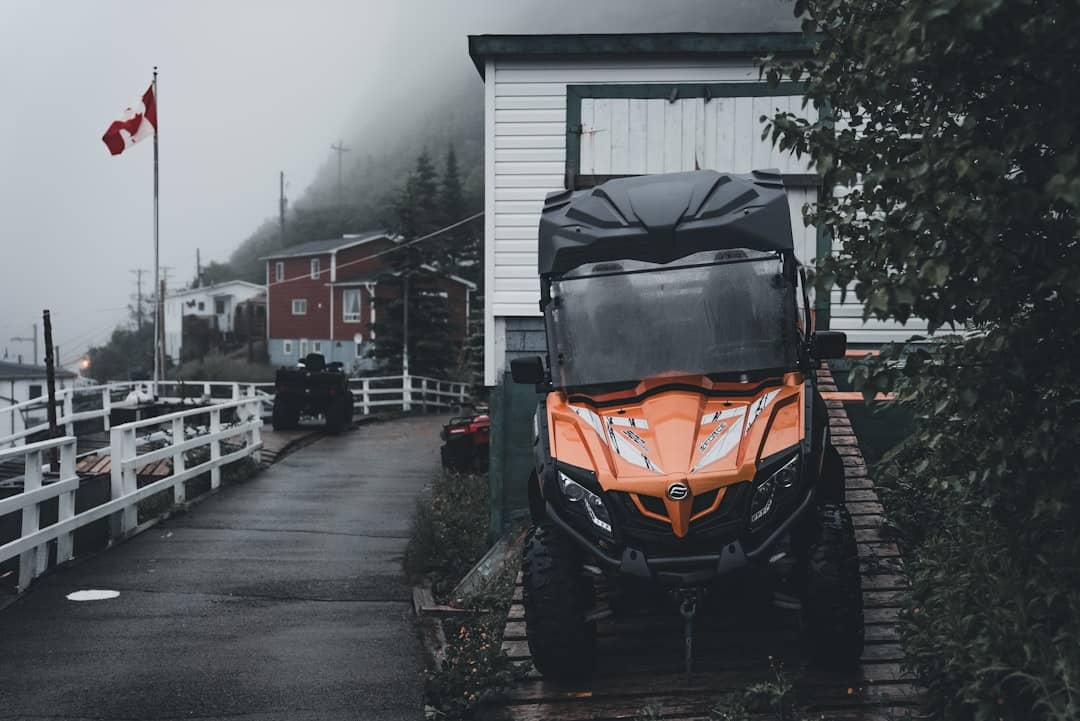
Where Should You Buy a Side-by-Side in Mississippi?
For most Mississippi buyers, the best place to buy is an established multi-line dealer within a realistic service radius. The machine is only half the purchase; the other half is who stands behind it for parts, warranty work, and trade-in, and a strong dealer inside driving distance beats a cheaper deal three hours away. The exceptions are narrow: an experienced buyer who can inspect a machine thoroughly can save money on a private sale, and a mechanically confident buyer can find value at auction.
The reasoning is that service visits outnumber the purchase, so the relationship matters more than a one-time price. Buyers who pick a dealer by proximity alone, or chase the lowest online price without weighing recourse, routinely pay for it later in service lines and lowball trade-ins. The channels below break down when each option is right.
Ready to get serious about one of these?
Nothing beats seeing your top picks on the floor, sitting in them, and talking real numbers before you decide.
Browse current inventory →Dealer, Private Sale, or Auction: Which Is Right for You?
The three buying channels trade price against recourse and financing, and the right one depends on your risk tolerance and mechanical confidence.
| Channel | Price | Recourse and financing | Best for |
|---|---|---|---|
| Franchise or multi-line dealer | Higher | Warranty, financing, service, trade-in | Most buyers, especially first-timers |
| Private sale | Lower | None; as-is; cash only | Experienced buyers who can inspect |
| Auction | Lowest, variable | Little to none; as-is | Mechanically confident bargain hunters |
A dealer costs more but bundles warranty, financing, a service department, and a trade-in path, which is why it suits most buyers and nearly all first-timers. A private sale can save money but is as-is with no recourse, so it only makes sense for a buyer who can verify condition and hours, covered in the used side-by-side hours guide. Auctions are cheapest and riskiest, for buyers who can absorb a surprise repair.
What Separates a Good Dealer From a Bad One?
A good dealer is defined by longevity, sales volume, review depth, a multi-line floor, and a real service department, not by which pin is closest on a map. Years in business signal stability and that parts and service will still be there next season. Sales volume signals the dealer moves machines and stocks parts. A multi-line floor lets you cross-shop brands in one place. And a genuine service department with a stocked parts counter is what keeps the machine running after the sale.
These criteria predict the ownership experience better than the sticker price does. A dealer that scores well on all of them turns routine wear items into quick fixes and stands behind what it sells; one that scores poorly leaves an owner stranded between a purchase and a service network that cannot support it. Fran O'Hagan, President and CEO of Pied Piper, whose firm mystery-shops powersports dealers, notes that "UTV customers today face big differences in shopping experience depending upon the brand," a reminder that who you buy from shapes the experience as much as what you buy. The dealer selection guide applies these criteria in depth.
Ready to get serious about one of these?
Nothing beats seeing your top picks on the floor, sitting in them, and talking real numbers before you decide.
Browse current inventory →Should You Drive Past the Closest Dealer for a Better One?
Often, yes, because service trips outnumber the purchase trip and a better dealer is worth real distance. A buyer will visit the dealer many times over a machine's life for service, parts, and warranty work, so a stronger dealer 60 to 90 minutes away frequently beats a weaker one nearby. The math favors the dealer that will actually keep the machine running, not the one that merely sold it.
The practical test is to weigh the drive against the dealer's criteria score: a multi-line dealer with deep parts stock, a real service department, and a delivery option can justify a longer trip, especially when it delivers the machine and handles major service. Many strong dealers also deliver across a wide footprint, which shrinks the distance penalty considerably.
How Do You Read a Dealer's Reviews the Smart Way?
Read reviews for volume, average, recency, and how the dealer answers criticism, not just the star count. Reviews are the most-consulted signal (83 percent of consumers use Google to read them, per BrightLocal), but trust in them has fallen sharply, with only 42 percent of consumers now trusting reviews as much as a personal recommendation, down from 79 percent in 2020. That skepticism is healthy: a smart buyer reads the details, not just the score.
The tells that separate a strong dealer are a high review count (not just a high average on a handful of reviews), consistent recent feedback, and professional, specific responses to complaints. A dealer with thousands of reviews at a strong average has a track record that a five-review 5.0 does not. Read how the dealer handles its worst reviews, since that predicts how it will treat you if something goes wrong.
Ready to get serious about one of these?
Nothing beats seeing your top picks on the floor, sitting in them, and talking real numbers before you decide.
Browse current inventory →What Should You Bring to the Dealership?
Come prepared with an out-the-door quote request, trade information, financing pre-work, and honesty about your use. Ask for the price out the door, not the sticker or a monthly payment, so you can compare dealers on the real number, detailed in the how much does a side-by-side cost guide. Bring photos and details of any trade-in, know your financing options before you arrive, and be candid about how you will actually use the machine so the dealer can match it. And before you plan to ride anywhere but private land or a park, check the road rules in the Mississippi street-legal guide.
The prepared buyer controls the conversation and gets the honest number faster. Walking in with a written OTD target, trade details, and financing pre-checked turns a vague showroom visit into a clear comparison, and it signals to the dealer that you know what you are doing. That preparation, more than any negotiating trick, gets a fair deal.
FAQ
Dealer, private sale, or auction: which is safest?
A dealer is safest for most buyers because it bundles warranty, financing, service, and a trade-in path. Private sales are cheaper but as-is with no recourse, suitable only for buyers who can inspect thoroughly. Auctions are cheapest and riskiest, for mechanically confident buyers who can absorb a surprise repair.
What separates a good powersports dealer from a bad one?
Longevity, sales volume, review depth, a multi-line floor, and a real service department with a stocked parts counter. These predict the ownership experience better than the sticker price, because service visits outnumber the purchase and a strong dealer keeps the machine running after the sale.
Should you buy from the closest dealer or the best dealer?
Usually the best dealer, even at a longer drive, because service trips outnumber the one purchase trip. A stronger multi-line dealer 60 to 90 minutes away, especially one that delivers, often beats a weaker nearby dealer that cannot support the machine over its life.
Do Mississippi dealers deliver?
Many do, across a wide footprint. Hattiesburg Cycles, for example, delivers as far as Pensacola, Baton Rouge, north Mississippi, and the Birmingham area, which shrinks the distance penalty for buyers who want a stronger dealer than the closest one. Ask about delivery reach when weighing a dealer worth the drive.
Ready to get serious about one of these?
Nothing beats seeing your top picks on the floor, sitting in them, and talking real numbers before you decide.
Browse current inventory →